
Donec efficitur, ligula ut lacinia
viverra, lorem lacus.
Donec efficitur, ligula ut lacinia
viverra, lorem lacus.

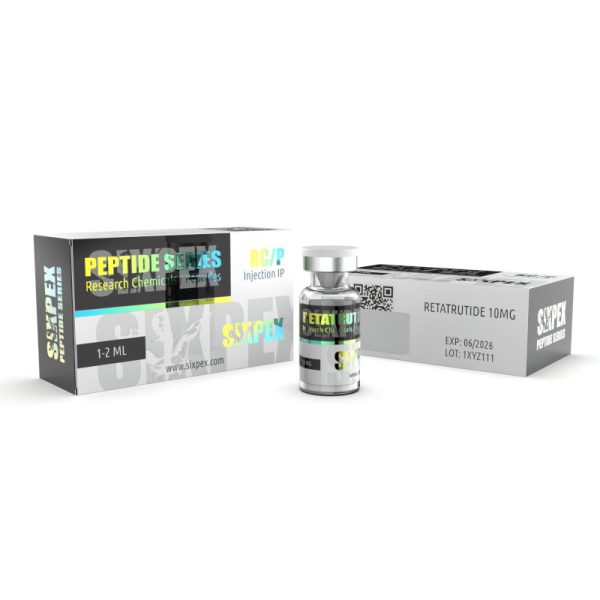
$145.00
2ml vial
Retatrutide is a next-generation triple agonist, simultaneously activating GLP-1, GIP, and glucagon receptors. This triple mechanism addresses appetite, insulin sensitivity, and energy expenditure together. Sixpex RETATRUTIDE 10MG
Key benefits:
Strong appetite suppression via GLP-1
Enhanced insulin sensitivity through GIP
Increased energy expenditure via glucagon
Accelerated fat oxidation
Significant body fat and weight reduction
It is primarily developed for obesity and advanced metabolic disease, and its triple-receptor activity makes it one of the most potent metabolic agents currently in clinical development.
Retatrutide is administered once weekly, with gradual dose escalation to minimize side effects and maximize tolerability.
2 mg weekly – starting (adaptation) dose
4 mg weekly
8 mg weekly
12 mg weekly – highest studied dose
Weeks 1–4 → 2 mg
Weeks 5–8 → 4 mg
Weeks 9–12 → 8 mg
Week 13+ → 12 mg
Many participants reach substantial weight loss without needing to escalate beyond 8 mg.
Persistent or severe nausea or vomiting
Excessive fatigue or weakness
Rapid or excessive weight loss
Cardiovascular intolerance (e.g., tachycardia)
Safety and tolerability take priority over achieving the maximum dose.
Retatrutide is administered via subcutaneous injection. In research settings, it may come as a pre-filled device or as lyophilized powder requiring reconstitution.
Fixed mg dose dissolved in defined ml → predictable concentration
Concentration = mg ÷ ml
Example:
12 mg drug + 2 ml diluent → 6 mg/ml
0.33 ml ≈ 2 mg
0.67 ml ≈ 4 mg
1.33 ml ≈ 8 mg
Accurate preparation is crucial to avoid dosing errors.
Rapid appetite suppression
Earlier satiety
Mild increase in resting energy expenditure
Significant weight and fat loss
Marked reduction in visceral fat
Improved glucose and lipid metabolism
Maximum fat oxidation
High total energy expenditure
Strong and sustained appetite control
2 mg → ~8–10% body weight loss
4 mg → ~15–20%
8–12 mg → ~22–25%+ in long-term studies
Retatrutide has shown some of the highest weight-loss percentages in pharmacological obesity trials.
Nausea
Decreased appetite
Gastrointestinal discomfort
Constipation or diarrhea
Vomiting
Increased heart rate
Fatigue
Heat intolerance or sweating
Gradual dose escalation
Avoid very large or high-fat meals
Maintain hydration
Monitor heart rate and blood pressure
Pause escalation if intolerance occurs
Cardiovascular disease or arrhythmia
Uncontrolled hypertension
History of pancreatitis
Pregnancy or breastfeeding
Careful monitoring is essential due to its triple-receptor activity.
Retatrutide is a triple-agonist metabolic therapy targeting appetite, insulin sensitivity, and energy expenditure. With a weekly dosing range of 2–12 mg, it has shown unprecedented fat and weight-loss potential.
Key points:
Triple-receptor mechanism for maximum metabolic effect
Exceptional weight-loss efficacy
Gradual titration ensures safety and tolerability
When used under structured clinical protocols, retatrutide may redefine pharmacological obesity and metabolic disease management.


Reviews
There are no reviews yet.