
Donec efficitur, ligula ut lacinia
viverra, lorem lacus.

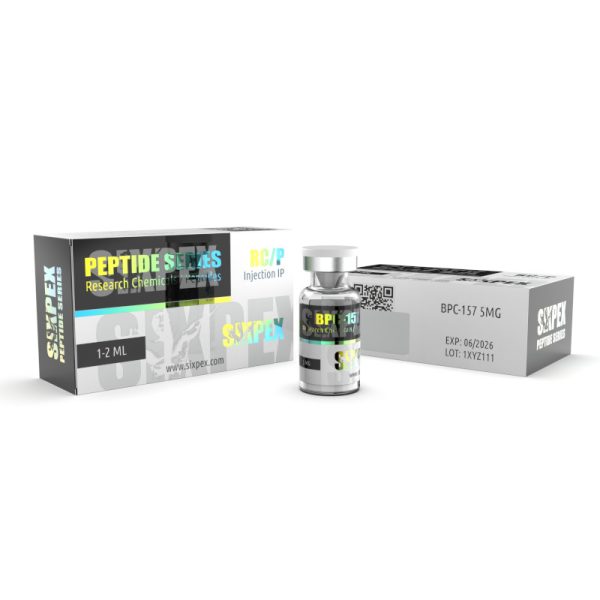
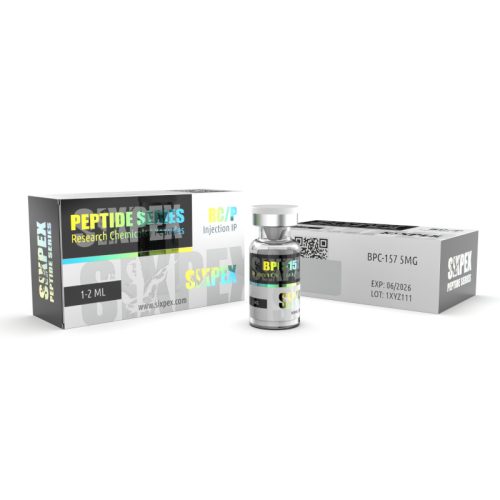
BPC-157, short for Body Protection Compound-157, is a synthetic peptide made up of 15 amino acids. It was originally derived from a protein found in human gastric juice and has been studied mainly in animal research for its healing and protective effects.
May support tendon, ligament, and muscle repair
Studied for gut and intestinal healing
Promotes angiogenesis (new blood vessel formation)
Helps reduce inflammation and oxidative stress
Shows protective effects in stressed or injured tissues
One reason BPC-157 gets so much attention is its activity in both connective tissue and the digestive system. Sixpex Colorado
BPC-157 is typically discussed in low daily doses. The total amount often depends on the type and severity of the injury, as well as how long it’s being used.
200–500 mcg per day
Sometimes split into two daily doses
250 mcg once daily
Or 250 mcg twice daily (500 mcg total)
Usual duration: 2–4 weeks
Some extend use up to 6 weeks
Increasing the dose beyond this range does not necessarily speed up recovery and may simply increase cost.
Target injury has resolved
No noticeable improvement after a full cycle
Ongoing injection-site irritation
Unexpected systemic symptoms
It is generally discussed as a temporary recovery aid rather than something used long term.
BPC-157 is often supplied as a lyophilized (freeze-dried) powder that must be reconstituted before use. It is commonly administered via subcutaneous injection, though oral capsule forms are sometimes discussed.
Total milligrams (mg) divided by total milliliters (ml) = concentration
Concentration determines how much volume equals a specific microgram dose
5 mg reconstituted with 2 ml
Final concentration = 2.5 mg/ml
Approximate volume equivalents:
0.1 ml = 250 mcg
0.2 ml = 500 mcg
Improper mixing can result in inaccurate dosing. This explanation is for general understanding only.
Decreased pain or inflammation in responsive areas
Improved range of motion
Reported calming effect on digestive discomfort
Noticeable improvement in tissue repair
Better tendon and ligament stability
Reduction in lingering inflammatory symptoms
Strengthening of healed tissue
Lower reinjury risk in some cases
Stabilization of digestive improvements
Faster recovery from connective tissue injuries
Improved gut comfort and integrity
Enhanced resilience of tendons and ligaments
No significant direct impact on fat loss or muscle growth
Available human data are limited, but side effects appear relatively uncommon based on current reports.
Mild irritation at injection site
Temporary headache
Short-lived fatigue
Dizziness
Nausea
Occasional sleep disruption
Serious adverse effects have not been widely documented, though long-term safety research remains limited.
Use the lowest effective dose
Limit use to defined recovery periods
Rotate injection sites if injecting
Avoid combining with multiple experimental peptides unnecessarily
Individuals with active cancer (theoretical concern due to angiogenesis)
Pregnant or breastfeeding individuals
Those with known peptide sensitivities
People using multiple unapproved compounds simultaneously
Because BPC-157 may influence blood vessel formation and tissue repair pathways, medical supervision is advisable for higher-risk individuals.
BPC-157 is a peptide commonly discussed for connective tissue and gastrointestinal recovery. Typical daily amounts range from 200 to 500 mcg and are usually used for several weeks rather than continuously.
Broad tissue-support properties
Activity in both musculoskeletal and GI systems
Most appropriate for short-term recovery protocols
Long-term human safety data remain limited
When approached cautiously and used within a structured plan, BPC-157 may serve as a supportive tool in recovery-focused strategies.
Reviews
There are no reviews yet.