
Donec efficitur, ligula ut lacinia
viverra, lorem lacus.

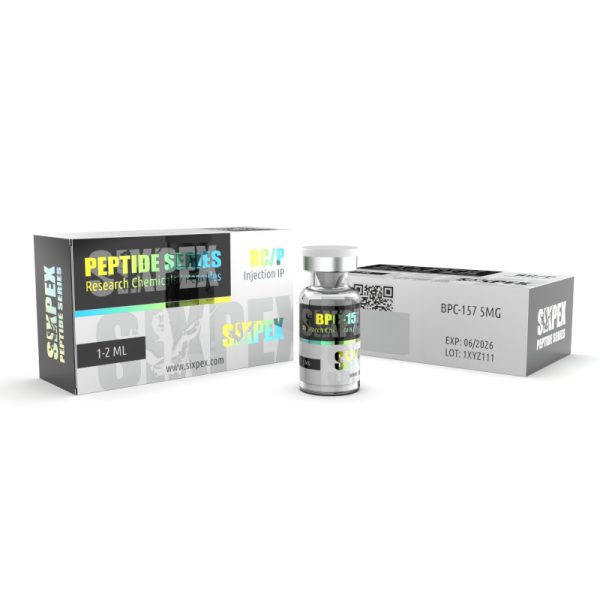
$130.00
2ml vial
Mazdutide, also known as IBI362, is a dual-acting medication designed to stimulate both GLP-1 (glucagon-like peptide-1) and glucagon receptors. While traditional GLP-1 therapies mainly focus on reducing appetite, mazdutide adds a second pathway by increasing energy expenditure through glucagon receptor activation.
This combined action targets both sides of weight regulation: calorie intake and calorie burn. Sixpex IBI362
Key features:
Reduces appetite through GLP-1 receptor activation
Increases energy expenditure via glucagon receptor stimulation
May improve insulin sensitivity
Supports greater fat oxidation
Designed primarily for obesity and metabolic conditions
Because of its dual-receptor activity, mazdutide differs mechanistically from GLP-1–only medications.
Mazdutide is typically administered once per week by subcutaneous injection. Like most incretin-based therapies, dosing is gradually increased to reduce gastrointestinal discomfort and improve tolerance.
3 mg once weekly – initial adaptation dose
6 mg once weekly
9 mg once weekly – highest studied clinical level
Weeks 1–4: 3 mg
Weeks 5–8: 6 mg
Week 9 onward: 9 mg
Not everyone needs to move up to 9 mg. Clinical data suggest many individuals achieve meaningful fat loss at 6 mg.
Ongoing nausea or vomiting
Excessive weakness or fatigue
Elevated heart rate or palpitations
Satisfactory weight or fat reduction already achieved
With mazdutide, tolerability often determines the optimal dose rather than simply increasing to the maximum level.
Mazdutide is given as a subcutaneous injection. Depending on the formulation, it may come as a prefilled device or as a powder that requires reconstitution.
A set milligram amount is dissolved into a defined milliliter volume
This creates a measurable concentration
Concentration formula: mg ÷ ml
Conceptual example:
9 mg combined with 1.5 ml diluent
Final concentration: 6 mg per ml
0.5 ml = 3 mg
1.0 ml = 6 mg
Accurate dilution is critical for correct dosing. This explanation is for general understanding only.
Noticeable appetite reduction
Feeling full sooner
Mild rise in resting energy expenditure
Clearer fat and weight reduction
Reduction in visceral fat
Improved metabolic flexibility
Stronger fat oxidation
Higher overall energy output
Sustained appetite suppression
Clinical observations suggest dose-related reductions in body weight:
3 mg: roughly 6–8% reduction
6 mg: around 10–15% reduction
9 mg: 15–20% or more in longer studies
Fat mass tends to decrease more than lean mass, likely due to the added glucagon-related increase in energy expenditure.
Side effects generally increase with dose.
Nausea
Reduced appetite
Stomach discomfort
Mild diarrhea or constipation
Vomiting
Increased heart rate
Fatigue
Heat sensitivity or increased sweating
Increase the dose gradually
Avoid very large or high-fat meals
Stay well hydrated
Monitor heart rate during early weeks
Adjust dose if fatigue becomes excessive
Those with a history of heart rhythm disorders
Individuals with uncontrolled high blood pressure
History of pancreatitis
Pregnant or breastfeeding individuals
Because mazdutide stimulates the glucagon receptor in addition to GLP-1, careful monitoring is especially important in people with cardiovascular or metabolic conditions.
Mazdutide (IBI362) is a dual-action metabolic therapy that combines GLP-1–driven appetite suppression with glucagon-mediated energy expenditure. Studied doses range from 3 mg to 9 mg weekly, with gradual titration used to improve tolerability.
Targets both calorie intake and calorie burn
Dose escalation improves tolerance
Strong potential for meaningful fat reduction
When used carefully and monitored appropriately, mazdutide represents a promising approach for obesity and advanced metabolic management.

Reviews
There are no reviews yet.