
Donec efficitur, ligula ut lacinia
viverra, lorem lacus.
Donec efficitur, ligula ut lacinia
viverra, lorem lacus.

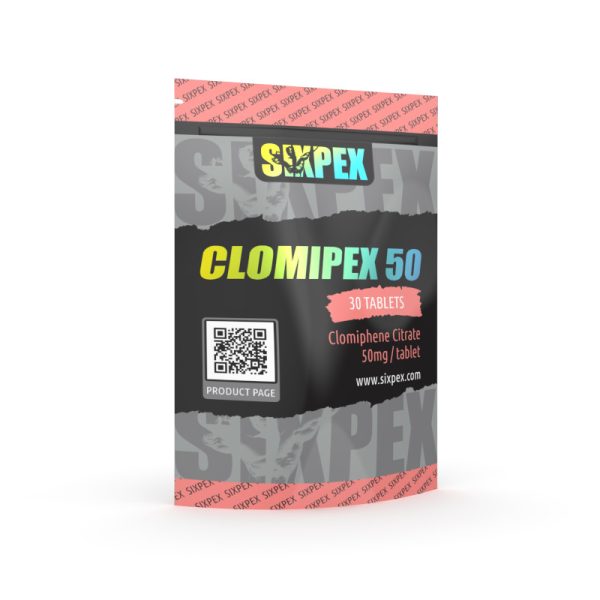
$55.00
30 Tablets x 50mg.
5-7 days
25-150 mg/day
No
No
No
No
Very Low
Also known as Clomiphene Citrate
Classified as a Selective Estrogen Receptor Modulator (SERM)
Similar in action to Nolvadex (Tamoxifen)
Originally introduced in the 1970s as a fertility treatment
Not an anabolic steroid
Commonly used by steroid users to manage estrogen-related issues
Widely used during Post Cycle Therapy (PCT) Sixpex clomid
Stimulates the release of LH (Luteinizing Hormone) and FSH (Follicle Stimulating Hormone)
Blocks estrogen’s negative feedback on the hypothalamic-pituitary axis
In women: supports ovulation and improves chances of conception
In men: encourages natural testosterone production
Binds to estrogen receptors rather than lowering estrogen levels directly
Helps reduce risk of gynecomastia during steroid cycles
May support healthier cholesterol levels by acting like estrogen in the liver
Helps limit estrogen-related side effects
Can reduce the risk of gynecomastia
May slightly help with water retention, but not strongly
Does not stop aromatization (conversion of testosterone to estrogen)
Often enough protection for moderate cycles
For stronger estrogen control, Aromatase Inhibitors like Arimidex (Anastrozole) or Femara (Letrozole) may be required
Steroid use suppresses natural testosterone production
Recovery without PCT can take months or longer
Low testosterone after a cycle can lead to:
Fat gain
Muscle loss
Strength decline
Increased cortisol
Low mood and energy
Clomid stimulates the pituitary to release LH and FSH
Helps restart natural testosterone production
Does not instantly restore levels but speeds up recovery
Often combined with Nolvadex and HCG for stronger PCT plans
Generally recommended if staying off-cycle for 8 weeks or longer
Not typically used if bridging with low-dose testosterone
Increases ovulation
Improves likelihood of pregnancy
Generally effective but not guaranteed
Protects against gynecomastia by blocking estrogen receptors
Does not lower circulating estrogen
Less effective than Aromatase Inhibitors for water retention
More favorable for cholesterol compared to AIs
Boosts natural testosterone production
Helps maintain muscle and strength
Reduces time spent in a low-testosterone state
Clomid is generally well tolerated in both men and women. Most users experience no major issues, but side effects are possible.
Headaches
Nausea
Hot flashes
Breast tenderness
Rare uterine bleeding
Occasional acne during PCT
Visual disturbances (around 1.5% of users)
Blurred or hazy vision requires immediate discontinuation
Vision typically returns to normal after stopping use
Rare long-term visual issues have been linked to high doses over extended periods
Acne during PCT is usually due to rising natural testosterone, not the medication itself
Overall, Clomid remains one of the most commonly used and reliable SERMs for fertility treatment, estrogen control during cycles, and especially for supporting hormonal recovery after anabolic steroid use.
Reviews
There are no reviews yet.